My child was bitten or scratched by a dog, cat or monkey - what do I do immediately?
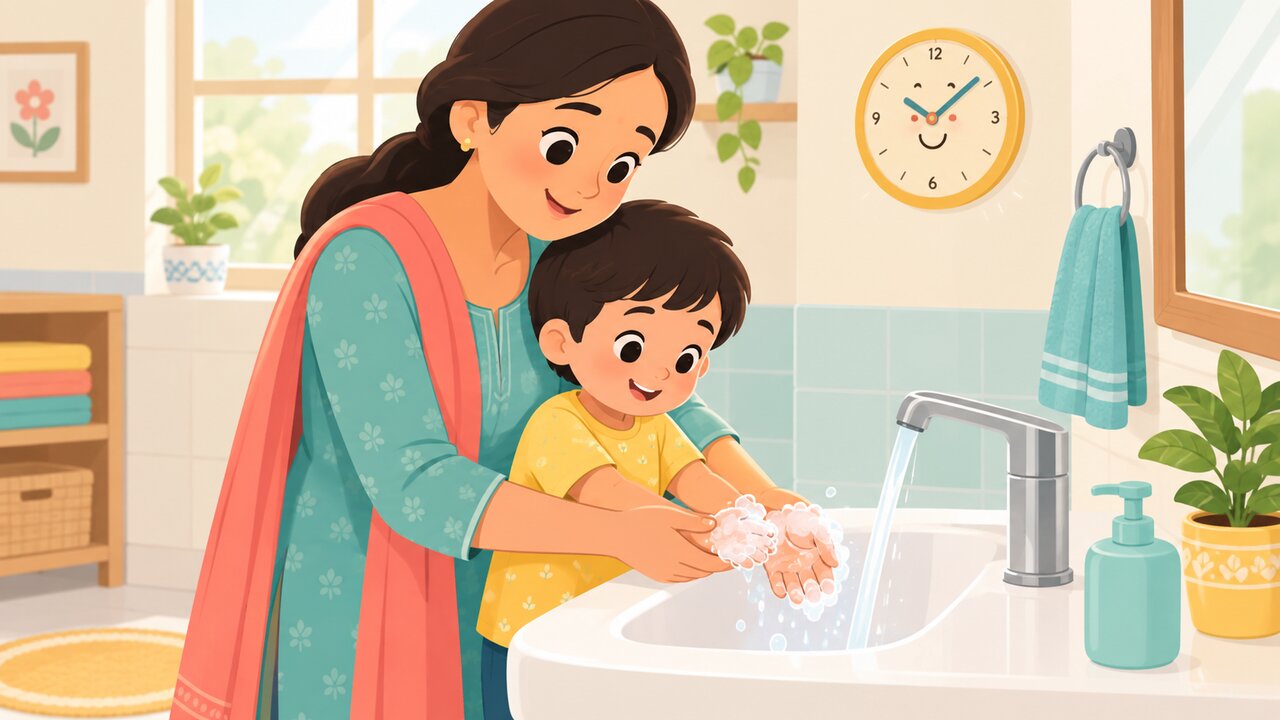
Quick answer: Wash the wound immediately with soap and running water for a full 15 minutes. This one step physically removes most of the rabies virus before it takes hold. Then take your child to a hospital or anti-rabies clinic the same day - whatever the wound looks like, and whether the animal was a stray or a pet. Rabies is 100% fatal once symptoms start, and almost 100% preventable if treatment starts on time.
First: the 15-minute wash (do this before anything else)
Hold the wound under running water and wash gently but thoroughly with soap for at least 15 minutes. Every wound, every scratch. Then apply an antiseptic such as povidone iodine, if you have it.
If there is no soap, use running water alone - lots of it. If the saliva touched your child's eyes or mouth, rinse them thoroughly with water. Do this even if hours have already passed - late washing is still worth doing.
How doctors classify the exposure (this decides the treatment)
Touching or feeding an animal, or licks on intact, unbroken skin: washing is enough; no vaccine needed if this history is reliable.
Nibbling of uncovered skin, or minor scratches and abrasions without bleeding: 15-minute wash + the full rabies vaccine course.
Any bite or scratch that breaks the skin or bleeds, licks on broken skin, saliva on the eyes/mouth, and all bites from wild animals (including monkeys): 15-minute wash + vaccine + rabies immunoglobulin (RIG), an antibody injection given around the wound. All three are needed.
🔴 RED - Go to the hospital NOW if
- Any of the third-category exposures above - do not wait for "tomorrow morning".
- Deep or multiple wounds, wounds on the face, head, neck, hands or genitals, or bleeding you cannot stop with direct pressure.
- A bite from a monkey or any wild animal - always treated as the highest-risk category.
- The animal was acting strangely, the attack was unprovoked, or the animal cannot be found or observed.
- Days later: fever, wound redness, swelling, pus, or increasing pain - signs of infection.
🆘 SOS - What else to do
- Start the vaccine course the same day and complete every dose. The schedules used in India run over about a month - for example, injections on days 0, 3, 7, 14 and 28 by the intramuscular route. Government clinics use an equally effective into-the-skin (intradermal) schedule. Stopping halfway can fail to protect.
- Ask about a tetanus injection if your child's tetanus vaccination is not up to date - bite wounds are dirty wounds.
- If it is a pet dog or cat that can be watched: it stays under observation for 10 days. Your child still starts treatment right away - do not wait to see if the animal falls sick.
- Note the animal's description, where the bite happened, and whether it was provoked - the doctors will ask.
❌ DO NOT
- Do not apply chilli, oil, turmeric, lime, salt, soil, or any home remedy to the wound - they damage the tissue and do nothing to the virus. Wash, don't smear.
- Do not cover the wound with a bandage unless it is bleeding heavily, and do not have it stitched up tight immediately - doctors usually leave bite wounds open or close them loosely, after immunoglobulin where needed.
- Do not skip or delay vaccine doses because the wound looks small or healed.
- Do not assume a pet or "vaccinated" dog's bite is automatically safe - animal vaccines can fail, so let the doctor decide after examining the wound and the animal's history.
- Do not wait for symptoms. Rabies symptoms mean it is too late - prevention only works before they start.
What is happening and why
Rabies virus travels from the wound into the nerves and then slowly toward the brain. Washing flushes much of it out before it enters; the vaccine trains the body to kill the rest; and immunoglobulin gives ready-made antibodies that guard the wound while the vaccine works. This is why all three pieces exist and why timing matters.
India carries one of the heaviest rabies burdens in the world, and young children are bitten most often - usually by dogs they know. The reassuring truth: with prompt washing and a complete vaccine course, rabies is essentially 100% preventable. No child who completes proper treatment in time should ever develop rabies. (One useful exception to know: bites from rats, squirrels and rabbits usually do not need rabies vaccination - but still have the wound checked.)
This page is for first-aid education and does not replace examination by a doctor. In an emergency, call 108 or 112.
Sources (last checked 13 Sep 2026)
- IAP Advisory Committee on Vaccines & Immunization Practices (ACVIP), "Rabies Vaccine - Q&A for Parents" (wound washing, exposure categories, vaccine schedules, observing the dog) - acvip.org/files/Rabies-vaccine.pdf
- AAP, "Treatment for Animal Bites" - www.healthychildren.org/English/health-issues/conditions/from-insects-animals/Pages/Treatment-for-Animal-Bites.aspx
Reviewed and approved by Dr Anjana Alekhya, MD (Paediatrics) · Published 13 September 2026